Craftsmanship
A closer look at the details that give a piece its character: the struck surface of a coin, the shape of its setting and the links of its chain.
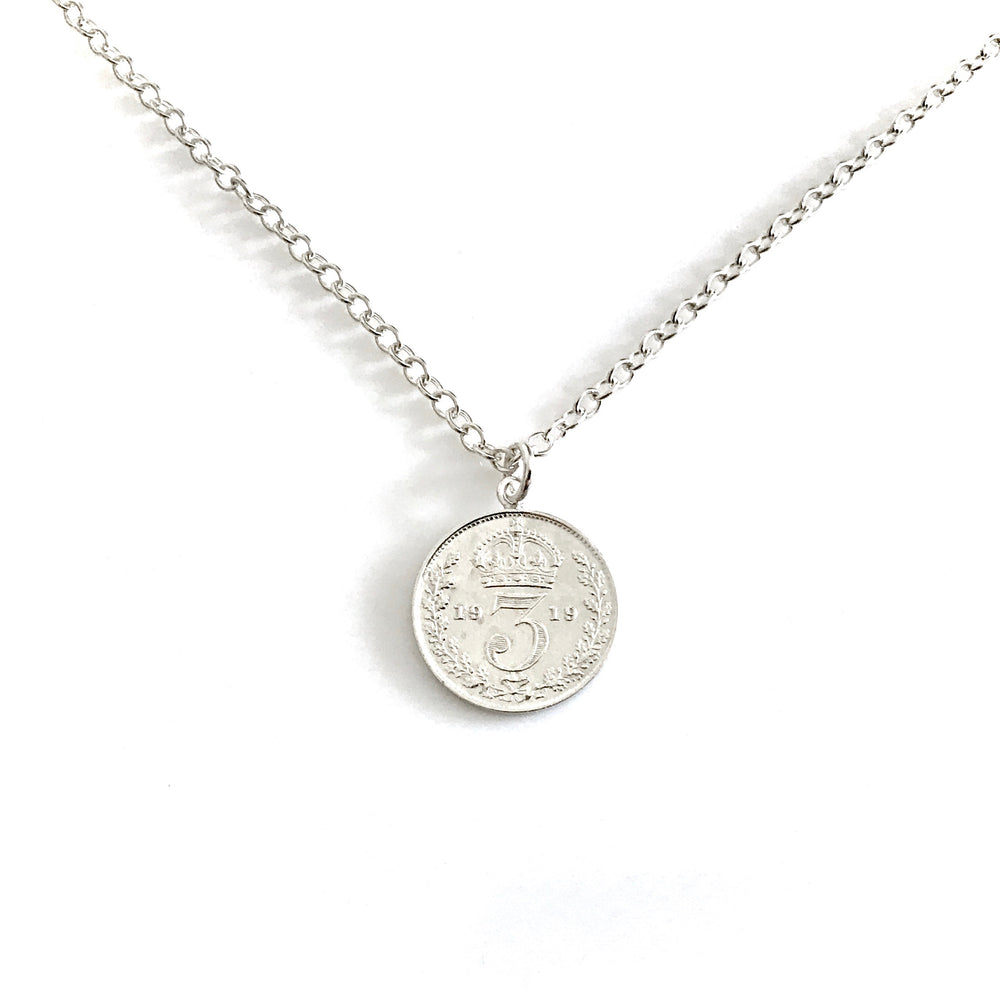
The coin
A genuine historic coin begins as a struck object, with a date, denomination and design. Circulation leaves individual marks on its surface. These original details remain part of the finished piece.
Watch the Roberts & Co coin necklace film on YouTube
The setting
The setting or attachment connects the coin to the jewellery. Look at its edge, the loop above it and how much of the original surface remains visible. Construction varies between designs; consult the individual product description for its setting and metal.
The chain
Link shape, thickness and length affect how a pendant sits. Compare the chain in the photographs with the available options. The coin and chain may have different metal compositions or finishes, so read their specifications separately.
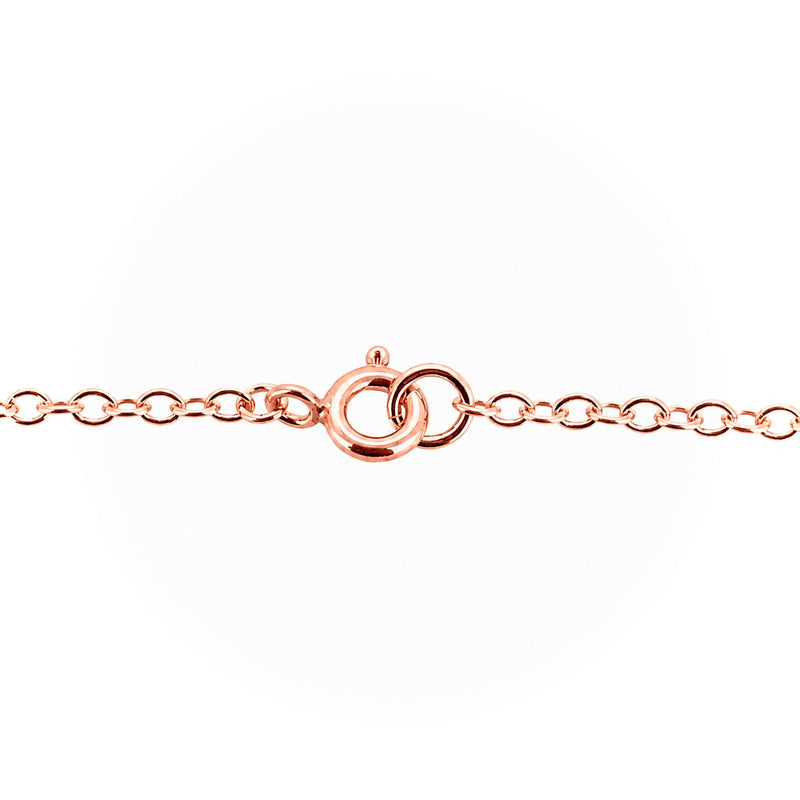
Choosing a chain length · Explore necklaces
The finish
A polished surface reflects light differently from the worn relief of a circulated coin. Gold plating is a surface finish, distinct from solid gold. Care should suit the complete piece, including its coin, setting and chain.
Materials & hallmarking · Jewellery care
Explore the details
Use the individual photographs and description to compare dates, struck designs, dimensions and finishes. If a detail you need is not listed, ask us about the piece.